With Top-performing ESG funds at the forefront, this paragraph opens a window to an amazing start and intrigue, inviting readers to embark on a storytelling casual formal language style filled with unexpected twists and insights.
ESG funds, which focus on environmental, social, and governance factors, have gained significant attention in the financial world. Investors are increasingly looking for ways to align their values with their investment choices, making ESG funds a popular option. This article dives into the world of top-performing ESG funds, exploring their criteria, performance measurements, and strategies for successful investing.
Understanding ESG Funds
ESG stands for Environmental, Social, and Governance in investment terms. These are the three main factors used to measure the sustainability and ethical impact of an investment in a company or business.
Key Characteristics of ESG Funds
ESG funds integrate environmental, social, and governance factors into the investment decision-making process. They seek to generate positive social impact alongside financial returns.
- Environmental: Focuses on factors such as carbon emissions, resource usage, and waste management.
- Social: Considers issues like human rights, labor practices, diversity, and community relations.
- Governance: Looks at the leadership structure, executive pay, shareholder rights, and transparency of a company.
Importance of ESG Investing
ESG investing is becoming increasingly important in the current financial landscape due to the growing awareness of sustainability issues and the impact of businesses on society and the environment.
Investors are recognizing that companies with strong ESG practices are better positioned to manage risks and capitalize on opportunities in the long run.
Criteria for Top-performing ESG Funds
When evaluating the performance of ESG funds, several key criteria come into play to determine their success in the market.
Impact of ESG Factors on Financial Performance
- Strong ESG Integration: Companies with a robust integration of ESG factors tend to outperform those that do not prioritize sustainability.
- Positive ESG Ratings: Funds with companies that receive high ESG ratings often demonstrate better long-term financial performance.
- Risk Management: ESG funds that effectively manage environmental, social, and governance risks are more resilient to market fluctuations.
- Stakeholder Engagement: Active engagement with stakeholders and transparent communication on ESG initiatives can enhance a fund’s reputation and attract more investors.
Differences Between ESG Criteria and Traditional Financial Metrics
- Long-term Value Creation: ESG criteria focus on sustainable practices that contribute to long-term value creation, while traditional financial metrics may prioritize short-term gains.
- Non-Financial Performance: ESG criteria consider non-financial factors such as environmental impact, social responsibility, and corporate governance, which traditional metrics may overlook.
- Risk Assessment: ESG criteria incorporate risk assessment based on environmental, social, and governance considerations, providing a more holistic view of a company’s performance.
- Impact Measurement: ESG criteria emphasize measuring the impact of a company’s operations on society and the environment, in addition to financial returns.
Fund Performance
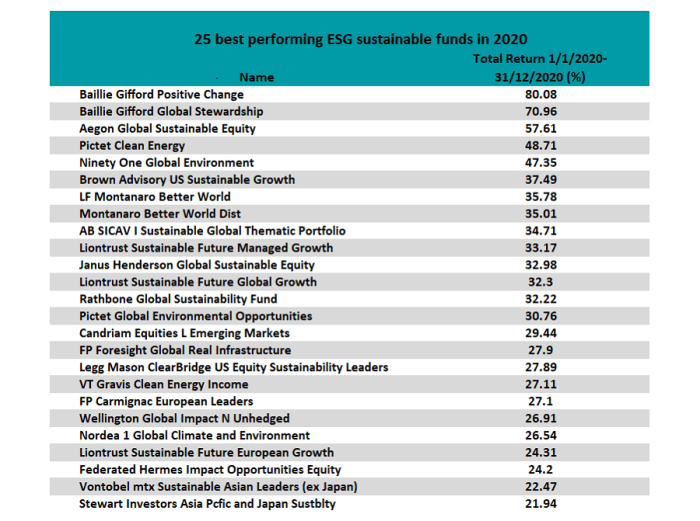
When it comes to measuring the performance of ESG funds, several key factors are taken into consideration. These factors go beyond traditional financial metrics and also evaluate the environmental, social, and governance impact of the investments.
Factors Contributing to Top-performing ESG Funds
- Strong ESG Integration: Top-performing ESG funds have a robust framework for integrating ESG factors into their investment decisions. This ensures that companies with high ESG standards are prioritized in the portfolio.
- Engagement and Active Ownership: Successful ESG funds actively engage with companies to encourage positive change and ensure alignment with sustainable practices. This proactive approach can lead to better long-term performance.
- Risk Management: Effective risk management strategies that consider ESG factors can help top-performing ESG funds navigate market volatility and identify opportunities for sustainable growth.
- Transparency and Reporting: Transparency in ESG data reporting allows investors to assess the impact of their investments and holds fund managers accountable for their ESG strategies.
Examples of Exceptional ESG Funds
- Vanguard FTSE Social Index Fund: This fund focuses on companies with strong ESG practices and has delivered competitive returns while prioritizing sustainability.
- PIMCO ESG Income Fund: Known for its commitment to ESG integration, this fund has shown consistent performance by investing in companies with sustainable business models.
- CALVERT Impact Capital: With a focus on impact investing, this fund has demonstrated exceptional performance by aligning financial goals with positive social and environmental outcomes.
Strategies for Investing in ESG Funds
Investing in ESG funds requires a strategic approach to ensure not only financial returns but also positive impact on environmental, social, and governance factors. Here are some key strategies to consider when selecting top-performing ESG funds.
Importance of Diversification in ESG Investing
Diversification is crucial in ESG investing to spread out risk and ensure a well-balanced portfolio. By investing in a variety of companies across different sectors and regions, investors can mitigate specific risks associated with individual companies or industries. This approach helps in maximizing returns while minimizing potential losses.
Role of Risk Management in ESG Fund Selection
Risk management plays a vital role in selecting ESG funds that align with investors’ goals and values. It involves assessing and monitoring risks related to environmental factors, social issues, and governance practices of companies within the fund. By evaluating these risks, investors can make informed decisions to build a resilient ESG portfolio that is sustainable in the long run.
In conclusion, Top-performing ESG funds offer investors the opportunity to support sustainable practices while potentially achieving strong financial returns. By understanding the criteria, performance metrics, and strategies involved, investors can make informed decisions that align with their values and financial goals.
User Queries
What are ESG funds?
ESG funds are investment funds that consider environmental, social, and governance factors alongside financial returns when making investment decisions.
How are top-performing ESG funds evaluated?
Top-performing ESG funds are evaluated based on factors such as sustainability ratings, impact metrics, and financial performance compared to traditional funds.
Why is diversification important in ESG investing?
Diversification helps reduce risk by spreading investments across different ESG sectors and companies, enhancing overall portfolio stability.
Can ESG funds provide strong financial returns?
Yes, ESG funds have shown the potential to deliver competitive financial returns while promoting sustainable and ethical practices.


