
Kicking off with Impact of inflation on fund performance, this opening paragraph is designed to captivate and engage the readers, setting the tone casual formal language style that unfolds with each word.
Inflation can have a significant impact on the performance of investment funds, influencing purchasing power and returns. Understanding this relationship is crucial for investors looking to navigate the complexities of financial markets. Let’s delve into how inflation shapes fund performance and explore strategies to mitigate risks effectively.
Impact of Inflation on Fund Performance
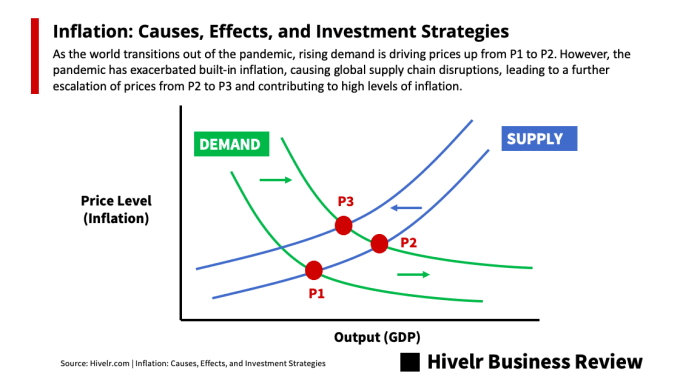
Inflation can have a significant impact on the performance of investment funds as it erodes the purchasing power of fund returns over time. Let’s delve deeper into how inflation affects fund performance and explore strategies to mitigate these risks.
Effect of Inflation on Purchasing Power
When inflation rises, the value of money decreases, leading to a reduction in the real returns generated by investment funds. This means that investors may find their purchasing power diminished as the cost of goods and services increases.
Relationship between Inflation Rates and Fund Performance
The relationship between inflation rates and fund performance is complex. In general, high inflation rates can negatively impact fixed-income investments such as bonds, as the returns may not keep pace with the rising cost of living. On the other hand, equities may perform better during periods of moderate inflation, as companies can potentially increase prices to offset higher production costs.
Asset Classes Impacted by Inflation
- Real Estate: Real estate investments tend to perform well during inflationary periods, as property values and rental income can increase in line with rising prices.
- Commodities: Certain commodities like gold and oil are often considered inflation hedges, as their prices may rise when inflation accelerates.
- TIPS (Treasury Inflation-Protected Securities): TIPS are specifically designed to provide protection against inflation by adjusting their principal value based on changes in the consumer price index.
Strategies to Hedge Against Inflation Risks
- Diversification: Investing in a mix of asset classes can help spread risk and potentially mitigate the impact of inflation on overall portfolio performance.
- Inflation-Linked Bonds: Consider adding inflation-linked bonds to your portfolio, as they are specifically designed to adjust for inflation and can provide a hedge against rising prices.
- Stocks of Inflation-Resilient Companies: Look for companies with strong pricing power, stable cash flows, and the ability to pass on increased costs to consumers during inflationary periods.
Fund Performance
Fund performance refers to the return on investment generated by a particular fund over a specific period of time. It is a key indicator of how well a fund is managed and how successful it has been in achieving its investment objectives.
Significance of Consistent Fund Performance for Investors
Consistent fund performance is crucial for investors as it provides them with a reliable indication of the fund’s ability to generate returns over time. Investors rely on consistent performance to meet their financial goals and objectives.
Impact of Market Conditions on Fund Performance
Market conditions play a significant role in determining fund performance. Fluctuations in the market, such as economic indicators, interest rates, and geopolitical events, can impact the performance of a fund. Fund managers need to adapt their strategies to navigate through changing market conditions.
Key Metrics Used to Evaluate Fund Performance
- Sharpe Ratio: Measures the risk-adjusted return of a fund.
- Alpha: Indicates the excess return of a fund compared to its benchmark.
- Beta: Reflects the volatility of a fund in relation to the market.
- Expense Ratio: Evaluates the costs associated with managing the fund.
In conclusion, the impact of inflation on fund performance is a critical aspect that investors need to consider. By understanding how inflation affects returns and implementing appropriate strategies, investors can better position themselves to weather market fluctuations and achieve their financial goals.
Q&A
How does inflation affect fund performance?
Inflation erodes the purchasing power of fund returns, reducing real returns for investors.
What are some strategies to hedge against inflation risks in fund performance?
Investors can consider investing in assets like real estate or commodities that tend to perform well in inflationary environments.
Why is consistent fund performance important for investors?
Consistent fund performance provides stability and predictability, helping investors achieve their financial objectives over the long term.
How do market conditions impact fund performance?
Market conditions such as economic trends and interest rates can influence the performance of investment funds.
What key metrics are used to evaluate fund performance?
Metrics like the Sharpe ratio, alpha, and beta are commonly used to assess the risk-adjusted performance of investment funds.


