
Embark on a journey through the realm of Best performing ETFs 2024, exploring the top investment opportunities that are set to outshine the rest. Dive into the world of finance with a detailed look at the best ETF options for the upcoming year.
Discover the secrets behind the success of these ETFs and gain insights into the factors influencing their performance. Whether you’re a seasoned investor or a newcomer to the financial market, this guide will equip you with the knowledge needed to make informed investment decisions.
Introduction to ETFs
ETFs, or Exchange-Traded Funds, are investment funds traded on stock exchanges, designed to track the performance of a specific index, commodity, or a basket of assets. They offer investors a way to diversify their portfolios with a single investment that provides exposure to a wide range of assets.
How ETFs work and their advantages
ETFs work by pooling money from multiple investors to purchase a diversified portfolio of assets. They are traded throughout the day on stock exchanges, making them more liquid than traditional mutual funds. Additionally, ETFs typically have lower expense ratios compared to mutual funds, making them a cost-effective investment option for investors.
- ETFs provide diversification: By investing in an ETF, investors gain exposure to a basket of assets, reducing the risk of holding individual stocks.
- Transparency: The holdings of an ETF are disclosed daily, allowing investors to see exactly what assets they are invested in.
- Flexibility: ETFs can be bought and sold like stocks, giving investors the ability to trade them throughout the trading day at market prices.
- Tax efficiency: ETFs are structured in a way that minimizes capital gains distributions, which can result in lower tax implications for investors.
Popularity of ETFs among investors
ETFs have gained popularity among investors due to their low costs, diversification benefits, and ease of trading. They offer a convenient way for both retail and institutional investors to access a wide range of asset classes, including stocks, bonds, commodities, and more. The growth of the ETF market has been significant in recent years, reflecting the increasing demand for these investment vehicles.
Best Performing ETFs in 2024
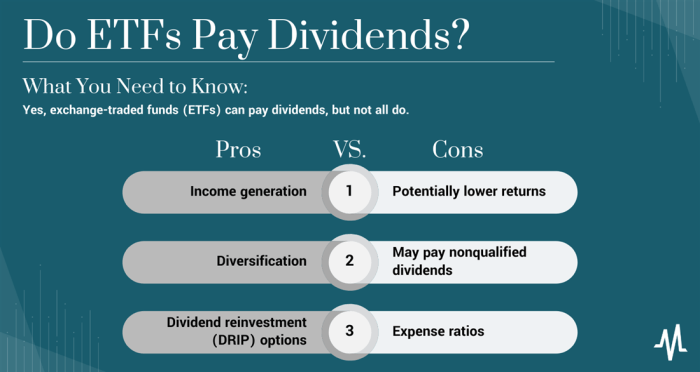
In 2024, several ETFs have stood out for their exceptional performance, attracting investors seeking strong returns in various market conditions.
ETFs, or exchange-traded funds, are investment funds traded on stock exchanges, similar to stocks. They typically hold assets such as stocks, commodities, or bonds and provide diversified exposure to a specific market segment.
Top ETFs Based on Performance
- Vanguard Information Technology ETF (VGT): This ETF focuses on technology stocks and has shown significant growth due to the tech sector’s resilience and innovation.
- iShares NASDAQ Biotechnology ETF (IBB): With a focus on biotech companies, this ETF has benefited from advancements in healthcare and biotechnology sectors.
- iShares U.S. Aerospace & Defense ETF (ITA): This ETF tracks the aerospace and defense sector, which has seen strong performance amid global geopolitical tensions.
Criteria for Determining Best Performing ETFs
When evaluating the best performing ETFs, criteria such as overall return, risk-adjusted performance, expense ratio, and liquidity are considered. ETFs with consistent and strong returns over a specific period are often favored by investors.
Comparison of Different Types of ETFs
- Sector-Specific ETFs: Sector-specific ETFs focus on a particular industry or sector, such as technology, healthcare, or energy. These ETFs are more volatile but can offer higher returns if the sector performs well.
- Index-Tracking ETFs: These ETFs aim to replicate the performance of a specific index, such as the S&P 500. They offer broad market exposure and are popular among investors seeking diversified investments.
- Bond ETFs: Bond ETFs invest in fixed-income securities like government or corporate bonds. They provide income through interest payments and are considered less risky than equity ETFs, making them a popular choice for conservative investors.
Factors Influencing ETF Performance
Several key factors play a significant role in determining the success of an Exchange-Traded Fund (ETF). These factors can range from market conditions to the management of the fund itself.
Market Trends and Economic Indicators
Market trends and economic indicators have a direct impact on the performance of ETFs. For instance, if the overall market is experiencing a bullish trend, ETFs that track the market index are likely to perform well. On the other hand, during a bearish market, ETFs that focus on defensive sectors may outperform others.
Geopolitical Events
Geopolitical events such as trade wars, political instability, or global crises can significantly influence the performance of ETFs. Uncertainty in the geopolitical landscape can lead to market volatility, affecting the prices of securities held within an ETF.
Management Fees and Expense Ratios
The management fees and expense ratios associated with an ETF can impact its overall performance. High fees can eat into the returns generated by the fund, making it less attractive to investors. Therefore, ETFs with lower expense ratios may have a competitive edge in the market.
Strategies for Investing in ETFs
Investing in ETFs can be a great way to diversify your portfolio and achieve your financial goals. Here are some tips to help you select the right ETFs based on your investment goals and risk tolerance, as well as strategies to maximize returns while minimizing risk.
Selecting the Right ETFs Based on Investment Goals and Risk Tolerance
- Consider your investment goals: Whether you are looking for long-term growth, income generation, or capital preservation, there are ETFs available to suit your objectives.
- Evaluate risk tolerance: Different ETFs have varying levels of risk, so it’s essential to choose ones that align with your comfort level. Assess how much risk you are willing to take before selecting ETFs.
- Look at the expense ratio and track record: Compare the expense ratios of different ETFs to ensure you are not overpaying for management fees. Additionally, review the historical performance of the ETF to gauge its track record.
Diversification Strategies Using ETFs
- Asset class diversification: Invest in ETFs that cover different asset classes such as stocks, bonds, real estate, and commodities to spread risk across various sectors.
- Geographic diversification: Consider investing in ETFs that provide exposure to different regions or countries to reduce the impact of regional economic downturns.
- Sector diversification: Allocate funds to ETFs that track various sectors of the economy to avoid concentration risk in a single industry.
Monitoring and Evaluating ETF Performance
- Regularly review your ETF holdings: Keep track of the performance of your ETFs and compare them against relevant benchmarks to assess how they are performing in your portfolio.
- Rebalance your portfolio: Periodically rebalance your portfolio by selling overperforming ETFs and buying underperforming ones to maintain your desired asset allocation.
- Stay informed: Stay up-to-date with market trends, economic indicators, and news that may impact the performance of your ETFs to make informed decisions about your investments.
Fund Performance
Fund performance in the context of ETFs signifies how well a particular exchange-traded fund has performed over a specific period. This performance is crucial for investors to assess the effectiveness of their investment and to make informed decisions regarding their portfolio.
Methods for Analyzing and Comparing ETF Performance
- One common method is to compare the total returns of different ETFs over the same time frame. Total returns take into account both capital appreciation and dividends or interest payments.
- Sharpe ratio is another method used to analyze the risk-adjusted return of an ETF. It helps investors understand how much return they are receiving for the level of risk taken.
- Tracking error is a metric that shows how closely an ETF follows its underlying index. A lower tracking error indicates that the fund is closely mirroring the performance of its index.
Interpreting Fund Performance Data
- When analyzing fund performance data, it is essential to look at the long-term performance rather than short-term fluctuations.
- Comparing the performance of an ETF to its benchmark index can provide insights into how well the fund is tracking its intended market exposure.
- Understanding the factors that influence the performance of an ETF, such as market conditions, sector trends, and fund expenses, can help investors make informed decisions.
In conclusion, Best performing ETFs 2024 offer a lucrative avenue for investors looking to maximize their returns. With careful consideration and strategic planning, these top-performing ETFs can pave the way for a successful investment journey in the year ahead.
FAQ Insights
What criteria are used to determine the best performing ETFs?
The best performing ETFs are evaluated based on factors such as historical performance, market trends, and expense ratios to determine their overall success.
How can I select the right ETF based on my investment goals?
To choose the right ETF, consider your investment objectives, risk tolerance, and desired returns. Conduct thorough research on the ETF’s performance history and underlying assets to align with your financial goals.
What role do management fees play in ETF performance?
Management fees can impact an ETF’s performance by reducing the overall returns for investors. It’s essential to compare fees across different ETFs to ensure you’re maximizing your investment potential.


