
Fixed income fund performance trends set the stage for this enthralling narrative, offering readers a glimpse into a story that is rich in detail and brimming with originality. From explaining the concept of fixed income funds to exploring recent trends, this topic promises a deep dive into the world of finance.
Fund Performance Analysis delves into how fund performance is measured and the importance of benchmarking, shedding light on key performance indicators for evaluating fixed income fund performance.
Fixed Income Fund Performance Trends
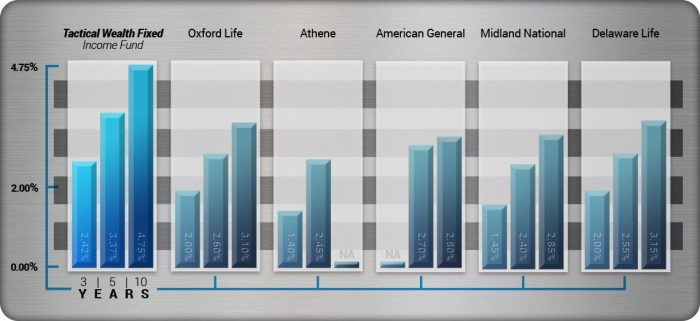
Fixed income funds are investment vehicles that primarily invest in debt securities like bonds and Treasury bills. These funds provide investors with regular income payments in the form of interest, making them a popular choice for those seeking stable returns.
Factors Affecting Fixed Income Fund Performance
Several factors can influence the performance of fixed income funds, including:
- Interest Rate Movements: Changes in interest rates can impact the value of fixed income securities held in the fund.
- Credit Quality: The creditworthiness of the issuers of the bonds held in the fund can affect performance.
- Duration: The sensitivity of bond prices to changes in interest rates can impact fund performance.
Recent Trends in Fixed Income Fund Performance
Recent trends in fixed income fund performance have shown increased volatility due to the uncertainty caused by global events like the COVID-19 pandemic. Many funds have experienced fluctuations in returns, with some outperforming while others underperforming.
Impact of Economic Conditions on Fixed Income Fund Performance
Economic conditions such as inflation, unemployment rates, and GDP growth can significantly impact the performance of fixed income funds. In times of economic uncertainty, investors may flock to fixed income funds as a safe haven, driving up prices and lowering yields.
Fund Performance Analysis
When analyzing the performance of fixed income funds, various metrics and indicators are used to evaluate the fund’s effectiveness in meeting its objectives and generating returns for investors.
Performance Metrics for Fixed Income Funds
- Yield: This metric measures the income generated by the fixed income fund through interest payments and dividends.
- Duration: Duration indicates the sensitivity of the fund’s price to changes in interest rates, helping investors understand the potential impact of rate changes on the fund’s value.
- Credit Quality: Assessing the credit quality of the fixed income securities held in the fund provides insight into the risk of default and potential returns.
- Total Return: Total return takes into account both the income generated by the fund and any capital appreciation or depreciation, providing a comprehensive view of the fund’s performance.
Key Performance Indicators for Fixed Income Funds
- Sharpe Ratio: The Sharpe ratio measures the risk-adjusted return of the fund, helping investors evaluate whether the returns generated are sufficient for the level of risk taken.
- Expense Ratio: The expense ratio reflects the costs associated with managing the fund, which can impact the overall returns for investors.
- Tracking Error: Tracking error measures the consistency of the fund’s performance compared to its benchmark, highlighting how closely the fund mirrors its intended investment strategy.
- Income Distribution: Evaluating the regularity and consistency of income distributions from the fund can be crucial for income-focused investors.
Importance of Benchmarking in Fund Performance
Benchmarking is essential in assessing fixed income fund performance as it provides a standard for comparison, allowing investors to gauge how well the fund is performing relative to its peers or a designated benchmark index. By benchmarking, investors can determine whether the fund’s returns are satisfactory given the level of risk taken and the market conditions, helping them make informed investment decisions.
In conclusion, Fixed income fund performance trends provide valuable insights into the intricate world of finance, showcasing the impact of economic conditions on fund performance. This discussion serves as a guide for investors seeking to understand and navigate the complexities of fixed income funds.
Key Questions Answered
How do economic conditions affect fixed income fund performance?
Economic conditions such as interest rates, inflation, and market volatility can significantly impact fixed income fund performance.
What are some key performance indicators for evaluating fixed income fund performance?
Some key performance indicators include yield, duration, credit quality, and total return.


