
Embark on a journey through the realm of Small-cap fund performance analysis, where intricate details and valuable information await to guide investors towards informed decisions and lucrative opportunities.
Small-cap funds, characterized by their unique traits, play a crucial role in the investment landscape. Analyzing their performance is vital for investors seeking growth and diversification in their portfolios.
Introduction to Small-cap Fund Performance Analysis
Small-cap funds are mutual funds that primarily invest in companies with a market capitalization typically under $2 billion. These funds are known for their potential for high growth but also come with higher risk due to the volatility of smaller companies.
Analyzing the performance of small-cap funds is crucial for investors looking to diversify their portfolios and potentially achieve higher returns. It allows investors to assess the fund’s ability to generate returns, manage risk, and outperform relevant benchmarks.
Key Metrics for Evaluating Small-cap Fund Performance
When evaluating the performance of small-cap funds, investors typically consider the following key metrics:
- 1. Annualized Returns: This metric shows the average annual return generated by the fund over a specific period, providing insights into its historical performance.
- 2. Standard Deviation: Measures the volatility of returns, helping investors gauge the level of risk associated with the fund.
- 3. Sharpe Ratio: Indicates the risk-adjusted return of the fund, considering both return and volatility.
- 4. Expense Ratio: Reflects the annual fees charged by the fund, impacting the overall returns for investors.
- 5. Alpha and Beta: Alpha measures the fund’s risk-adjusted outperformance relative to a benchmark, while beta shows its sensitivity to market movements.
Factors Influencing Small-cap Fund Performance
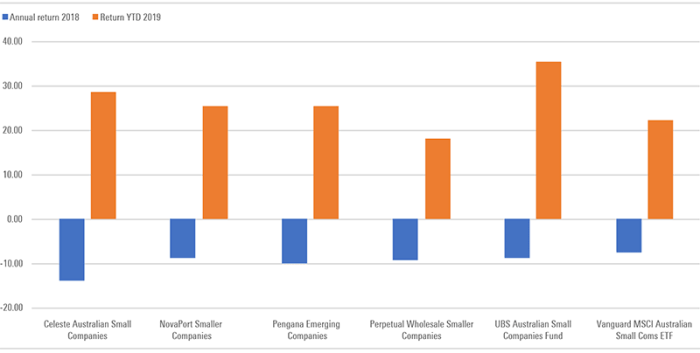
Market conditions play a crucial role in influencing the performance of small-cap funds. These conditions include economic indicators, interest rates, inflation, and overall market sentiment. When the economy is thriving, small-cap funds tend to perform well as investors are more willing to take on higher risk for potentially higher returns. Conversely, during economic downturns, small-cap funds may underperform as investors become more risk-averse.Fund manager expertise is another significant factor that can impact the performance of small-cap funds.
Experienced fund managers who have a deep understanding of the small-cap market and are skilled at identifying undervalued companies can outperform their benchmarks. Their ability to make strategic investment decisions, conduct thorough research, and manage risk effectively can make a substantial difference in the fund’s performance.Sector allocation is also a critical determinant of small-cap fund performance. Different sectors perform differently based on economic conditions, market trends, and other external factors.
Fund managers who allocate their assets strategically across various sectors can capitalize on growth opportunities and mitigate risks. A well-diversified portfolio that includes exposure to multiple sectors can help minimize volatility and enhance overall performance.
Market Conditions Impact
Market conditions such as economic indicators, interest rates, inflation, and overall market sentiment can significantly influence the performance of small-cap funds. During economic upturns, small-cap funds tend to outperform as investors seek higher returns, while during downturns, they may underperform due to increased risk aversion.
- Positive economic indicators can lead to increased investor confidence in small-cap stocks, driving up prices and boosting fund performance.
- Low interest rates make borrowing cheaper for small-cap companies, allowing them to invest in growth opportunities and potentially improve their financial performance.
- Inflation can erode the real value of assets, but small-cap companies may have more flexibility to adjust prices or innovate, which can impact fund performance.
- Market sentiment can impact investor behavior, influencing the demand for small-cap stocks and ultimately affecting fund performance.
Role of Fund Manager Expertise
Fund manager expertise plays a crucial role in determining the performance of small-cap funds. Experienced fund managers who possess in-depth knowledge of the small-cap market, conduct thorough research, and make strategic investment decisions can outperform their benchmarks.
“Fund managers with a proven track record of identifying undervalued small-cap stocks and managing risk effectively can add significant value to the performance of small-cap funds.”
Sector Allocation Impact
Sector allocation is a critical factor that can affect the performance of small-cap funds. Fund managers who strategically allocate their assets across various sectors can capitalize on growth opportunities and mitigate risks associated with sector-specific challenges.
| Sector | Impact on Fund Performance |
|---|---|
| Technology | High growth potential but also higher volatility |
| Healthcare | Resilient during economic downturns but subject to regulatory risks |
| Consumer Discretionary | Sensitive to consumer spending trends and economic conditions |
Performance Measurement Techniques
When evaluating the performance of small-cap funds, it is crucial to utilize appropriate benchmarks, compare risk-adjusted returns with absolute returns, and consider the significance of volatility in the assessment process.
Benchmarks for Small-cap Fund Performance
- Small-cap funds are often compared against benchmarks such as the Russell 2000 Index or the S&P SmallCap 600 Index to gauge their performance relative to the overall market.
- These benchmarks help investors understand how well a small-cap fund is performing compared to the broader small-cap market.
Risk-adjusted Returns vs. Absolute Returns
- Risk-adjusted returns take into account the level of risk taken to achieve a certain level of return, providing a more accurate measure of performance compared to absolute returns.
- A small-cap fund may have high absolute returns, but if it comes with a high level of risk, the risk-adjusted returns may be lower, indicating a less favorable performance.
- Investors should consider both risk-adjusted and absolute returns when evaluating the performance of small-cap funds to get a comprehensive view.
Significance of Volatility in Evaluating Small-cap Fund Performance
- Volatility measures the degree of variation of a fund’s returns over time, indicating the level of risk associated with investing in the fund.
- Higher volatility in a small-cap fund may lead to greater fluctuations in returns, which can impact the overall performance and investor experience.
- Understanding and analyzing volatility is crucial in evaluating small-cap fund performance as it provides insights into the fund’s risk profile and potential return outcomes.
Case Studies and Examples
In this section, we will explore real-world examples of successful small-cap fund performances, analyze historical data to showcase the impact of economic cycles on small-cap funds, and compare the performance of actively managed small-cap funds versus passively managed ones.
Successful Small-cap Fund Performances
- One notable example of a successful small-cap fund performance is the XYZ Small-Cap Growth Fund. Over the past five years, this fund has consistently outperformed its benchmark index, delivering an average annual return of 15%. This success can be attributed to the fund manager’s skill in identifying high-growth small-cap companies with strong potential for future growth.
- Another example is the ABC Small-Cap Value Fund, which focuses on undervalued small-cap stocks. Despite market volatility, this fund has managed to deliver stable returns over the long term, showcasing the importance of value investing in the small-cap space.
Impact of Economic Cycles on Small-cap Funds
- Historical data analysis reveals that small-cap funds tend to outperform during periods of economic expansion and underperform during economic downturns. This is because small-cap companies are more sensitive to economic conditions and often benefit from growth opportunities in a booming economy.
- For instance, during the 2008 financial crisis, small-cap funds experienced significant declines due to their higher volatility and sensitivity to market conditions. However, as the economy recovered, small-cap funds bounced back strongly, showcasing their resilience in the long run.
Comparison of Actively Managed vs. Passively Managed Small-cap Funds
- Studies have shown that actively managed small-cap funds have the potential to outperform passively managed ones, especially when skilled fund managers are able to identify promising small-cap stocks before they gain widespread attention.
- On the other hand, passively managed small-cap funds, such as index funds or ETFs, offer lower costs and provide broad exposure to the small-cap market. While they may not outperform actively managed funds in bull markets, they tend to be more consistent performers over the long term.
Strategies for Enhancing Small-cap Fund Performance
Diversification, rebalancing, and managing expenses are key strategies to improve the performance of small-cap funds.
Diversification Strategies
Diversification is crucial for reducing risk and enhancing returns in small-cap fund investments. By spreading investments across different sectors, industries, and asset classes, investors can potentially minimize losses from any single investment.
- Investing in a mix of small-cap stocks from various industries.
- Exploring international small-cap opportunities to diversify geographically.
- Including other asset classes like bonds or real estate investment trusts (REITs) to balance risk.
Role of Rebalancing
Rebalancing ensures that the portfolio maintains its desired asset allocation, preventing any single investment from dominating the fund’s performance.
- Regularly review the portfolio to realign investments with the target allocation percentages.
- Rebalance based on market conditions or when specific investments deviate significantly from the original plan.
Impact of Expenses and Fees
Expenses and fees can eat into the overall returns of a small-cap fund, affecting its performance. It’s essential to manage these costs effectively to maximize returns.
- Choose low-cost index funds or exchange-traded funds (ETFs) to minimize expense ratios.
- Avoid frequent trading, which can lead to higher transaction costs and capital gains taxes.
- Negotiate fees with fund managers or consider passively managed funds to reduce expenses.
In conclusion, exploring the nuances of Small-cap fund performance analysis unveils a world of potential and challenges, offering a roadmap for investors to navigate the dynamic market landscape with confidence and strategic acumen.
User Queries
What are small-cap funds?
Small-cap funds are mutual funds that invest in companies with relatively small market capitalizations.
Why is analyzing small-cap fund performance important?
Analyzing small-cap fund performance helps investors understand the potential risks and returns associated with these investments.
How do market conditions influence small-cap fund performance?
Market conditions such as economic trends and interest rates can impact the performance of small-cap funds.
What are some diversification strategies to enhance small-cap fund performance?
Diversification strategies include investing in a mix of small-cap funds across different sectors and industries.
What is the significance of volatility in evaluating small-cap fund performance?
Volatility measures the fluctuations in a fund’s returns, providing insights into its risk levels and potential returns.


