
Delving into Equity fund performance analysis, this introduction immerses readers in a unique and compelling narrative, providing a comprehensive understanding of how analyzing equity fund performance can lead to informed investment decisions. From exploring key metrics to understanding the impact of internal and external factors, this topic is essential for investors seeking to optimize their portfolio performance.
As we delve deeper into the intricacies of equity fund performance analysis, we uncover the methodologies, factors, and data interpretation techniques that play a crucial role in evaluating fund performance effectively. By the end, readers will have a solid grasp of the significance of consistency in fund performance and how it influences investor choices.
Overview of Equity Fund Performance Analysis
Investors often turn to equity funds as a means of diversifying their portfolios and potentially earning higher returns. Equity funds pool money from multiple investors to invest in stocks or equities of different companies. Analyzing the performance of these funds is crucial for investors to make informed decisions about their investments.
Key Metrics for Evaluating Equity Fund Performance
When evaluating equity fund performance, investors typically consider several key metrics to assess the fund’s overall health and potential for returns. These metrics include:
- Annualized Return: This metric calculates the average annual return on investment over a specific period, providing insight into the fund’s historical performance.
- Expense Ratio: The expense ratio represents the percentage of a fund’s assets that go towards covering operating expenses. A lower expense ratio is generally preferred as it reduces the impact on returns.
- Alpha and Beta: Alpha measures a fund’s risk-adjusted performance compared to a benchmark index, while beta indicates the fund’s volatility in relation to the market.
- Sharpe Ratio: The Sharpe ratio helps investors assess the risk-adjusted return of a fund by considering its volatility.
- Standard Deviation: Standard deviation measures the volatility of a fund’s returns over time. Lower standard deviation implies lower risk.
Factors Influencing Equity Fund Performance
When analyzing the performance of equity funds, there are several key factors that can significantly impact their overall results. These factors can be broadly categorized into internal and external influences, each playing a crucial role in determining the success of the fund.
Economic Conditions
Economic conditions have a direct impact on the performance of equity funds. A booming economy typically leads to higher corporate profits, which in turn can boost stock prices and increase the value of the fund. On the other hand, during economic downturns, stock prices may decline, negatively affecting fund performance.
Market Trends
Market trends, such as bull and bear markets, also play a vital role in determining equity fund performance. Bull markets, characterized by rising stock prices, tend to result in positive fund performance, while bear markets, marked by falling stock prices, can lead to losses for the fund.
Fund Management Decisions
The decisions made by fund managers, including stock selection, asset allocation, and timing of trades, can significantly impact the performance of equity funds. A skilled and experienced fund manager can outperform the market and generate higher returns for investors, while poor management decisions can lead to underperformance.
Internal Factors vs. External Factors
Internal factors, such as fees and expenses, can eat into the returns generated by equity funds. High fees can reduce the overall performance of the fund, making it crucial for investors to consider the cost structure when evaluating fund options. On the other hand, external factors like market volatility and economic indicators can have a more significant impact on fund performance, as they are external forces that are beyond the control of the fund manager.
Methods for Evaluating Equity Fund Performance
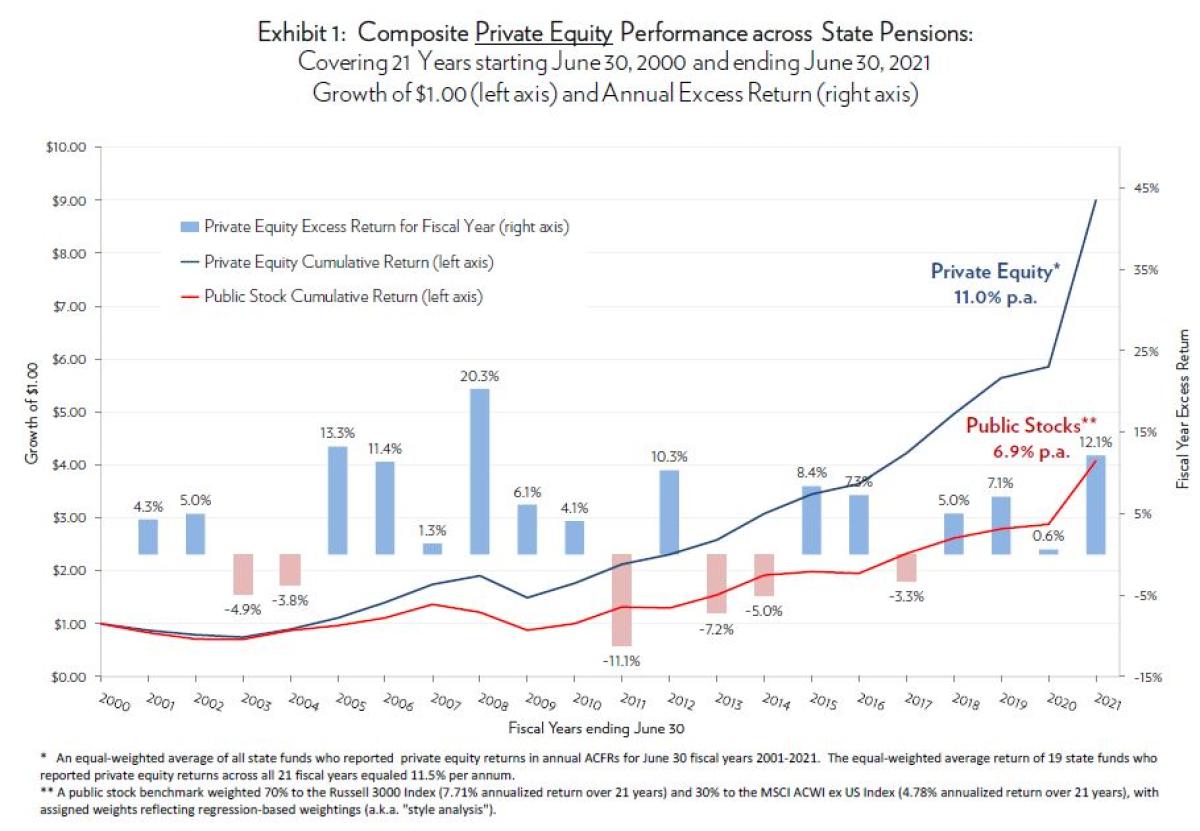
When evaluating the performance of an equity fund, there are various methodologies that can be utilized to gain a comprehensive understanding of its success. It is crucial to consider both quantitative and qualitative factors in this analysis to make informed decisions about investment strategies.
Risk-Adjusted Returns
- One common method for evaluating equity fund performance is through risk-adjusted returns. This approach takes into account the level of risk taken to achieve a certain level of return. Popular metrics like the Sharpe ratio or the Treynor ratio help investors assess how well a fund has performed relative to the risk it has taken on.
- By considering risk-adjusted returns, investors can better understand how efficiently a fund has generated returns in relation to the risks involved, providing a more accurate picture of its performance.
Benchmark Comparisons
- Another important methodology is benchmark comparisons, where the fund’s performance is measured against a relevant market index or peer group. This helps investors gauge how well the fund has performed in comparison to its peers or the overall market.
- Comparing performance against a benchmark can reveal whether a fund has outperformed or underperformed relative to a specific standard, providing valuable insights for decision-making.
Peer Group Analysis and Historical Performance Data
- Peer group analysis involves comparing a fund’s performance to that of similar funds with comparable investment objectives and strategies. This allows investors to assess how well a fund has performed within its specific peer group.
- Examining historical performance data is essential in evaluating equity fund performance, as it provides insights into how the fund has fared over different market conditions and economic cycles. This long-term perspective helps investors assess the fund’s consistency and resilience.
Interpreting Equity Fund Performance Data
Understanding how to interpret performance data is crucial for investors to make informed decisions. Various metrics such as NAV, total return, alpha, beta, and Sharpe ratio provide valuable insights into the performance of equity funds.
Net Asset Value (NAV)
Net Asset Value (NAV) represents the per-share value of a mutual fund or ETF. It is calculated by subtracting the fund’s liabilities from its assets and dividing by the number of outstanding shares. A higher NAV indicates better performance.
Total Return
Total return measures the change in the value of an investment over a specific period, including dividends and capital appreciation. It provides a comprehensive view of the fund’s performance and can help investors gauge overall profitability.
Alpha and Beta
Alpha measures the excess return of a fund compared to its benchmark index, indicating the fund manager’s skill in generating returns. Beta, on the other hand, reflects the fund’s volatility in relation to the market. A positive alpha and beta close to 1 indicate strong performance.
Sharpe Ratio
The Sharpe ratio evaluates the risk-adjusted return of an investment by considering the standard deviation of returns. A higher Sharpe ratio implies better risk-adjusted performance, making it a valuable metric for comparing different funds.
Identifying Trends, Strengths, and Weaknesses
Performance data can be used to identify trends such as consistent growth or volatility, strengths like outperforming benchmarks, and weaknesses such as underperformance in certain market conditions. By analyzing these factors, investors can make informed decisions about fund selection and allocation.
Importance of Consistency in Fund Performance
Consistency in fund performance is crucial for investors as it indicates the fund’s ability to deliver returns over time. A fund that consistently outperforms its benchmark and peers is more likely to generate long-term value for investors. Inconsistency can lead to uncertainty and impact investor decision-making, highlighting the significance of reliable and stable performance.
In conclusion, Equity fund performance analysis is a vital tool for investors looking to make informed decisions and maximize their returns in the dynamic world of finance. By understanding the nuances of evaluating equity fund performance, investors can navigate market uncertainties with confidence and precision, ultimately achieving their financial goals.
FAQ Section
What are the key metrics used to evaluate equity fund performance?
The key metrics include returns, volatility, fund manager experience, investment strategy, and historical performance data.
How do economic conditions and market trends influence equity fund performance?
Economic conditions and market trends can impact fund performance by affecting stock prices, investor sentiment, and overall market stability.
What is the significance of consistency in fund performance?
Consistency in fund performance is crucial as it helps investors identify trends, strengths, and weaknesses over time, aiding in decision-making processes.


