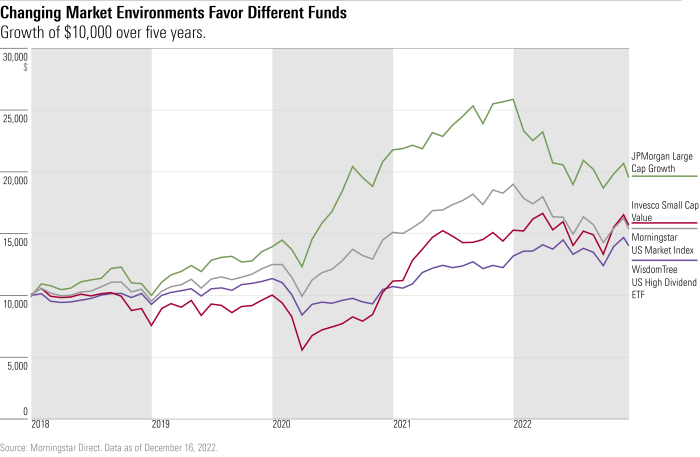
Latest trends in fund performance metrics sets the stage for this enthralling narrative, offering readers a glimpse into a story that is rich in detail and brimming with originality from the outset.
This article delves into the evolving landscape of fund performance metrics, shedding light on recent developments, key types, and challenges faced by investors in interpreting these crucial indicators.
Introduction to Fund Performance Metrics
Fund performance metrics play a crucial role in the financial industry, providing investors with valuable insights into the performance of their investments. By analyzing these metrics, investors can make informed decisions and assess the success of their investment strategies.
Key Role of Fund Performance Metrics
- One key role of fund performance metrics is to evaluate the performance of investment funds over a specified period.
- These metrics help investors compare the performance of different funds and identify potential investment opportunities.
- By analyzing fund performance metrics, investors can assess the risk and return profile of their investments and adjust their portfolios accordingly.
How Fund Performance Metrics Help Investors
- Fund performance metrics provide investors with a quantitative measure of how well their investments are performing.
- These metrics help investors track the growth of their investments, identify underperforming assets, and make informed decisions on when to buy or sell.
- By understanding fund performance metrics, investors can better manage their portfolios and optimize their investment returns.
Types of Fund Performance Metrics
When evaluating the performance of investment funds, various types of metrics are used to provide insights into their effectiveness. These metrics help investors make informed decisions and assess the overall performance of their investments.
Common Types of Fund Performance Metrics
- The Sharpe Ratio: This metric measures the risk-adjusted return of an investment compared to a risk-free asset. A higher Sharpe ratio indicates better performance.
- Alpha: Alpha measures the excess return of an investment compared to its benchmark index. A positive alpha indicates outperformance.
- Beta: Beta indicates the volatility of an investment relative to the market. A beta of 1 means the investment moves in line with the market.
Differences between Risk-Adjusted Metrics and Absolute Metrics
Risk-adjusted metrics, such as the Sharpe ratio and alpha, take into account the level of risk associated with an investment. These metrics provide a more comprehensive view of performance by considering the risk taken to achieve returns.
On the other hand, absolute metrics, like beta, provide a straightforward measure of an investment’s volatility without considering risk-adjusted returns. These metrics are useful for comparing investments based solely on their performance relative to the market.
Insights from Each Type of Fund Performance Metric
- The Sharpe Ratio: Helps investors assess whether the returns generated by an investment are worth the level of risk taken.
- Alpha: Indicates how much value a fund manager has added through active management compared to a passive strategy.
- Beta: Allows investors to understand how volatile an investment is compared to the overall market, helping them manage risk in their portfolios.
Recent Developments in Fund Performance Metrics
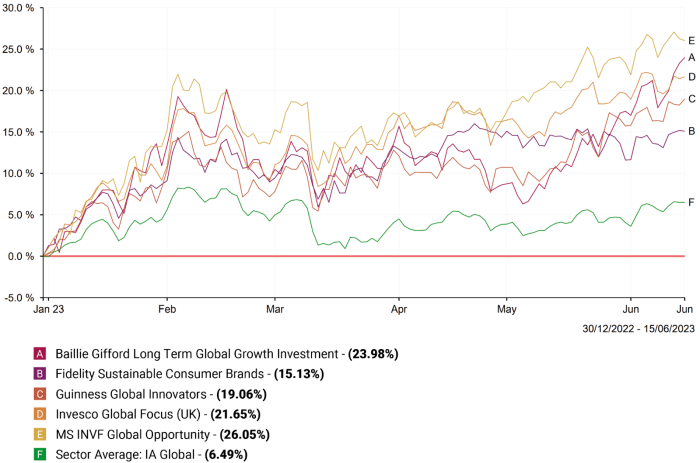
In recent years, fund performance metrics have witnessed significant advancements and innovations driven by technology. These developments have not only enhanced the evaluation of fund performance but have also provided investors with more insights and transparency into their investments.
Integration of Artificial Intelligence and Machine Learning
The integration of artificial intelligence (AI) and machine learning (ML) has revolutionized fund performance metrics. These technologies can analyze vast amounts of data in real-time, providing more accurate and timely insights into fund performance. AI and ML algorithms can identify patterns, trends, and correlations that were previously undetectable, helping investors make more informed decisions.
Environmental, Social, and Governance (ESG) Metrics
ESG metrics have gained prominence in fund performance evaluation. Investors are increasingly considering not only financial returns but also the impact of their investments on the environment, society, and corporate governance. Fund managers are now incorporating ESG factors into their performance metrics to align with investors’ values and preferences.
Risk-adjusted Performance Metrics
Traditional performance metrics often fail to account for the risk associated with investments. New risk-adjusted performance metrics, such as the Sharpe ratio and Sortino ratio, have emerged to provide a more comprehensive evaluation of fund performance. These metrics consider the level of risk taken to achieve returns, allowing investors to assess performance more accurately.
Blockchain and Distributed Ledger Technology
Blockchain and distributed ledger technology have introduced transparency and security to fund performance metrics. By utilizing blockchain technology, fund managers can provide immutable records of fund performance, ensuring data integrity and reducing the risk of fraud. Investors can track the performance of their investments in real-time, enhancing trust and accountability in the fund management industry.
Challenges in Interpreting Fund Performance Metrics
Interpreting fund performance metrics can be challenging for investors due to various factors that may affect the accuracy and reliability of these metrics. Understanding the limitations of certain metrics and knowing how to overcome these challenges is crucial for making informed investment decisions.
Limitations of Certain Metrics
Some common limitations of fund performance metrics include:
- Overemphasis on Short-Term Performance: Metrics that focus solely on short-term performance may not provide a comprehensive view of a fund’s long-term growth potential. It’s important to consider performance over extended periods to assess consistency.
- Benchmark Selection: Choosing an inappropriate benchmark for comparison can skew the interpretation of a fund’s performance. Investors should carefully select benchmarks that accurately represent the fund’s investment strategy.
- Volatility Measures: Metrics like standard deviation may not capture the full extent of a fund’s risk profile, especially in volatile market conditions. Additional risk-adjusted measures may be necessary for a more accurate assessment.
Strategies for Overcoming Challenges
To overcome challenges in interpreting fund performance metrics, investors can consider the following strategies:
- Focus on Long-Term Performance: Look beyond short-term fluctuations and evaluate a fund’s performance over extended periods to gain a more comprehensive understanding of its track record.
- Diversification: Diversifying investments across different asset classes can help mitigate the impact of individual fund performance metrics and provide a more balanced view of overall portfolio performance.
- Consulting with Financial Advisors: Seeking guidance from financial professionals can help investors navigate the complexities of fund performance metrics and make more informed investment decisions based on their individual financial goals and risk tolerance.
In conclusion, the dynamic nature of fund performance metrics underscores the need for investors to stay informed and adaptable in navigating the complexities of the financial markets. As new innovations continue to shape the industry, understanding these trends is paramount for making sound investment decisions.
Q&A
What are some emerging trends in fund performance metrics?
Emerging trends include the integration of AI and machine learning in performance analysis, as well as a focus on ESG metrics for sustainable investing.
How do risk-adjusted metrics differ from absolute metrics?
Risk-adjusted metrics account for the level of risk taken to achieve returns, while absolute metrics only consider the returns generated without considering risk.
What are some strategies for overcoming challenges in interpreting fund performance metrics?
Strategies include diversifying investments to mitigate risk, conducting thorough research on fund managers, and seeking professional advice when needed.


